Your Cart is Empty
NEW THCA FLOWER IN STOCK - FREE SHIPPING ON ALL U.S. ORDERS $100+
NEW THCA FLOWER IN STOCK - FREE SHIPPING ON ALL U.S. ORDERS $100+
NEW THCA FLOWER IN STOCK - FREE SHIPPING ON ALL U.S. ORDERS $100+

March 02, 2021 10 min read
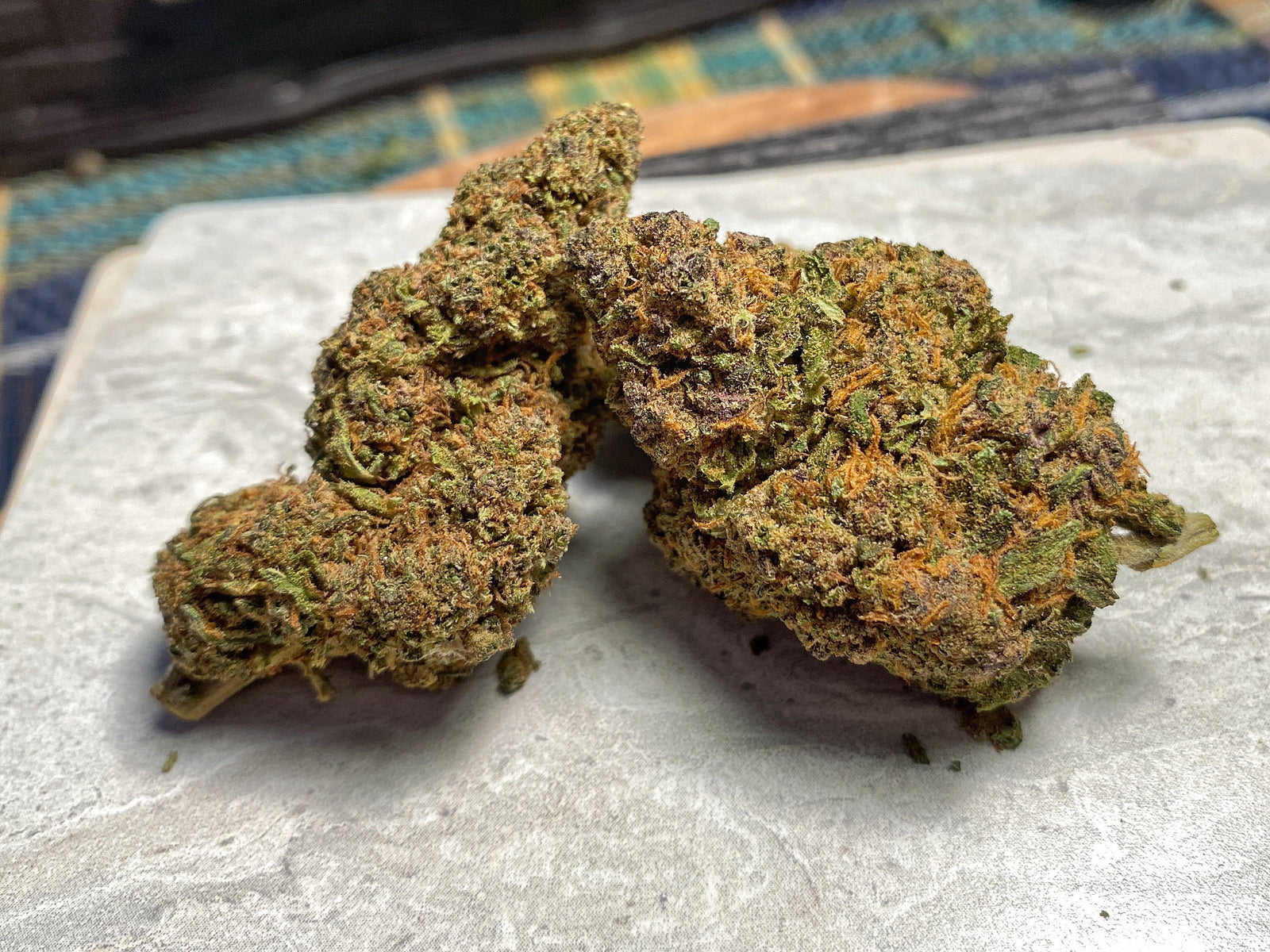
Exotic cannabis flower is a term commonly used to describe cannabis flower with distinctive aromas, complex terpene profiles, appealing visual characteristics, carefully selected genetics, and exceptional cultivation standards. The word exotic is generally a market descriptor rather than a formal botanical classification or a regulated grade of flower.
In the hemp industry, exotic hemp flower often refers to premium hemp varieties bred and cultivated to produce unique aromatic profiles, attractive flower structures, and specific cannabinoid characteristics. These flowers may feature pronounced citrus, tropical fruit, berry, floral, herbal, or earthy notes, depending on their genetics and growing conditions.
As consumer interest in premium hemp products continues to evolve, understanding the difference between exotic flower marketing and genuine genetic quality has become increasingly important.
The most important factors to consider include:
Ultimately, high-quality exotic hemp flower is about more than appearance or a catchy strain name. It reflects the combination of desirable genetics, responsible cultivation, careful handling, and verifiable product quality.
Premium hemp genetics are selected or developed plant genetics chosen for desirable, consistent, and reproducible characteristics. These characteristics may include cannabinoid composition, terpene production, flowering time, plant structure, environmental adaptability, and resistance to certain common plant diseases.
In hemp cultivation, genetics provide the foundation for the traits a grower can work to express. However, even excellent genetics cannot guarantee a superior final product without appropriate environmental management, harvesting, drying, curing, and storage.
Genetic stability is an important consideration when evaluating premium hemp cultivars. Growers generally want plants that express predictable traits across successive growing cycles under comparable conditions.
Stable genetics can help support consistency in:
A cultivar with a recognizable name is not automatically genetically stable. Responsible breeders and growers evaluate plant performance and maintain appropriate records to help verify consistency.
Terpenes are naturally occurring compounds found in many plants, including hemp and cannabis. They contribute to the distinctive aromas associated with different cultivars.
Common hemp and cannabis terpenes include:
The terpene profile of a particular hemp flower depends on its genetics and growing environment, among other factors. Two cultivars with similar cannabinoid concentrations may have noticeably different aromatic characteristics.
A strong scent alone, however, does not prove that a flower has superior genetics or greater purity. Laboratory analysis can help provide a more objective picture of its chemical composition.
Cannabinoids are naturally occurring compounds produced by hemp and cannabis plants. Different cultivars can express different cannabinoid profiles depending on their genetics, maturity, and growing conditions.
For hemp growers and product developers, genetic selection may focus on cultivars associated with particular cannabinoid characteristics, such as CBD-dominant or CBG-dominant profiles.
A quality-focused approach considers both the intended cannabinoid profile and compliance with applicable regulations. Cannabinoid content should be verified through appropriate testing rather than inferred from a strain name, appearance, or marketing description.
Premium hemp genetics are not defined solely by aroma or cannabinoid production. Cultivation performance also matters.
Depending on the intended growing environment, breeders may select plants for characteristics such as:
A cultivar that performs well in a controlled indoor environment may not perform identically outdoors. Selecting genetics suited to the intended production environment can help growers improve crop consistency and reduce avoidable cultivation challenges.
Although the terms overlap in marketing, they are not necessarily interchangeable.
Exotic cannabis flower usually emphasizes distinctive aromas, appearance, cultivar identity, and perceived exclusivity. Premium hemp flower emphasizes quality attributes within the hemp market, including genetics, cannabinoid composition, cultivation standards, and regulatory compliance.
Some hemp cultivars may resemble high-end cannabis flower in appearance and aromatic complexity while maintaining a different cannabinoid profile. Visual similarity does not establish chemical equivalence, legal classification, or identical effects.
| Quality factor | Exotic cannabis flower | Premium hemp flower |
|---|---|---|
| Genetics | Often marketed around distinctive cultivars | Selected for desired and consistent hemp traits |
| Aroma | May feature complex, pronounced terpene notes | May feature diverse terpene profiles |
| Cannabinoids | Varies by cultivar and product | Depends on cultivar and verified composition |
| Appearance | Often emphasizes visual appeal and flower structure | May emphasize appearance alongside other quality indicators |
| Testing | Relevant to product safety and transparency | Essential for verifying composition and applicable compliance |
| Legal considerations | Depend on product type and jurisdiction | Depend on cannabinoid composition, product type, and applicable law |
The best comparison is based on verified product characteristics rather than the word exotic alone.
Consumers researching high-quality hemp flower often encounter a wide range of product descriptions. Understanding the underlying quality indicators can help separate meaningful information from marketing claims.
Well-handled hemp flower may exhibit intact flower structures, recognizable plant material, and a relatively consistent appearance appropriate to its cultivar.
Color can vary naturally between cultivars and growing conditions. Green, purple, and other pigmentation patterns do not independently establish quality. Similarly, visible trichomes may be a useful physical characteristic, but they are not a substitute for laboratory testing.
Excessive fragmentation, visible contamination, or signs of improper storage warrant additional scrutiny.
Aroma is one of the most recognizable characteristics of hemp flower. Some cultivars have citrus-forward or tropical aromas, while others feature floral, pine-like, earthy, or spicy notes.
A complex, cultivar-appropriate aroma can be a useful descriptive quality indicator. However, scent intensity alone cannot confirm cannabinoid content, terpene concentration, or the absence of contaminants.
Buyers should be cautious about products making unsupported claims regarding terpene percentages or purity.
Even carefully selected genetics can produce a disappointing final product if post-harvest handling is poor.
Harvest timing, drying conditions, curing practices, and storage all influence the finished flower. Inappropriate moisture management can contribute to quality deterioration and microbial concerns.
Professional hemp producers should use controlled, documented post-harvest procedures appropriate to their products and maintain suitable storage conditions to preserve quality.
Independent laboratory testing is one of the most useful ways to evaluate hemp flower beyond its appearance and aroma.
Depending on the product and applicable requirements, a certificate of analysis (COA) may report:
Look for a COA that corresponds to the specific product or batch. Check the laboratory's identity, sample information, test date, and reported results.
A laboratory report is only as useful as its scope and reliability. Not every COA includes every possible contaminant, and a report should not be interpreted as proof of universal safety or regulatory compliance.
Indoor hemp cultivation gives growers greater control over several environmental variables, including lighting, temperature, humidity, and air circulation.
When appropriately managed, a controlled environment can support more consistent crop conditions and help growers evaluate how particular cultivars perform.
Potential advantages include:
However, indoor cultivation does not automatically produce better hemp flower. Outdoor and greenhouse cultivation can also yield high-quality products when genetics, plant health, environmental management, and post-harvest practices are appropriate.
The growing method is one factor among many—not a standalone guarantee of premium quality.
For hemp farmers, breeders, and product businesses, genetic selection can influence both agricultural performance and the characteristics of the final product.
Consistent genetics can make it easier to plan production, compare harvests, and establish repeatable quality standards.
Different hemp businesses may prioritize different characteristics. A flower-focused brand might emphasize aromatic complexity and visual appeal, while another producer may focus on cannabinoid composition or specific agricultural requirements.
Selecting genetics that align with the intended product helps establish a more coherent production strategy.
When growers maintain cultivar records and pair them with appropriate laboratory testing, they can better evaluate how genetic traits and cultivation conditions relate to final product characteristics.
This supports more transparent communication with wholesale buyers, retailers, and consumers.
A recognizable cultivar name may help a brand communicate product identity, but lasting differentiation depends on more than naming.
Documented sourcing, consistent quality standards, accurate labeling, responsible cultivation, and reliable testing provide a stronger foundation for consumer confidence.
Whether purchasing hemp flower online or evaluating a wholesale supplier, consider the following factors before making a decision.
For businesses buying hemp flower wholesale, additional considerations include supplier documentation, batch traceability, product specifications, and quality-control procedures.
Consumers and businesses searching for premium hemp flower in the United States should consider both product quality and the legal requirements that apply to their location.
Searches such as premium hemp flower in Virginia, exotic hemp flower in North Carolina, high-quality hemp flower in Tennessee, and premium hemp genetics in the United States reflect geographically specific buying and research intent.
However, geographic relevance does not establish product availability or legality. A product that is available in one location may be subject to different restrictions elsewhere.
For Virginia hemp consumers and businesses, it is important to review current state requirements alongside applicable federal law. Buyers should also verify the specific product category, cannabinoid composition, labeling, and any relevant age or sales restrictions.
For hemp brands serving customers in multiple states, accurate location-specific information can improve the usefulness of website content while helping readers understand that requirements may differ across jurisdictions.
The premium hemp market increasingly rewards product transparency, consistent quality, and clear differentiation.
Genetic development, improved cultivation practices, more detailed chemical analysis, and better post-harvest quality control can help producers understand their cultivars and establish more repeatable product standards.
Several areas are particularly relevant to the future of premium hemp flower:
The distinction between genuinely well-produced hemp flower and products relying primarily on premium-sounding descriptions will continue to depend on verifiable characteristics.
For growers and brands, investing in genetics is most valuable when it is paired with disciplined cultivation, reliable testing, and honest product communication.
Not necessarily. The terms may overlap in marketing, but the actual products can differ in cannabinoid composition, legal classification, and intended use. The term exotic is not, by itself, a formal quality grade.
High-quality hemp genetics are generally selected for desirable, consistent traits such as cannabinoid composition, terpene expression, plant structure, flowering behavior, and cultivation performance. Their actual performance depends on growing conditions and post-harvest handling.
Genetics can influence a plant's capacity to produce particular terpenes, but terpene concentrations also depend on environmental conditions, plant maturity, cultivation practices, and post-harvest handling. Laboratory analysis is needed to verify the final terpene profile.
No. Indoor cultivation offers greater control over some environmental variables, but it does not guarantee superior flower. Well-managed outdoor and greenhouse production can also produce high-quality hemp flower.
Consumers can review the product's certificate of analysis, cannabinoid profile, relevant contaminant testing, batch identification, labeling, and supplier transparency. Appearance and aroma may provide additional descriptive information but cannot replace testing.
Differences may involve genetic consistency, flower handling, aroma, cannabinoid composition, contamination risks, storage, and documentation. No single visual characteristic or marketing term can reliably determine overall quality.
No. Federal and state requirements can differ, and rules may depend on the product's cannabinoid composition, form, labeling, sales channel, and intended use. Consumers and businesses should verify current requirements before purchasing, selling, or transporting a product.
Exotic cannabis flower and premium hemp flower are often discussed in terms of distinctive aromas, attractive appearance, and unique cultivars. Yet the most meaningful indicators of quality extend far beyond a strain name or a premium label.
Higher-quality hemp genetics provide a foundation for desirable plant characteristics, while responsible cultivation, careful post-harvest handling, laboratory testing, and transparent labeling help establish the quality of the finished product.
For consumers, understanding these factors supports more informed product comparisons. For farmers and hemp brands, it creates a practical framework for evaluating genetics, improving consistency, and communicating product characteristics accurately.
As the hemp industry develops, businesses that prioritize verifiable quality over unsupported marketing claims will be better positioned to build long-term trust.
Looking for premium hemp flower or learning more about advanced hemp genetics? Start by evaluating cultivar information, documented growing practices, cannabinoid and terpene testing, and the standards behind the finished product.
Comments will be approved before showing up.